Amvrakikos Gulf
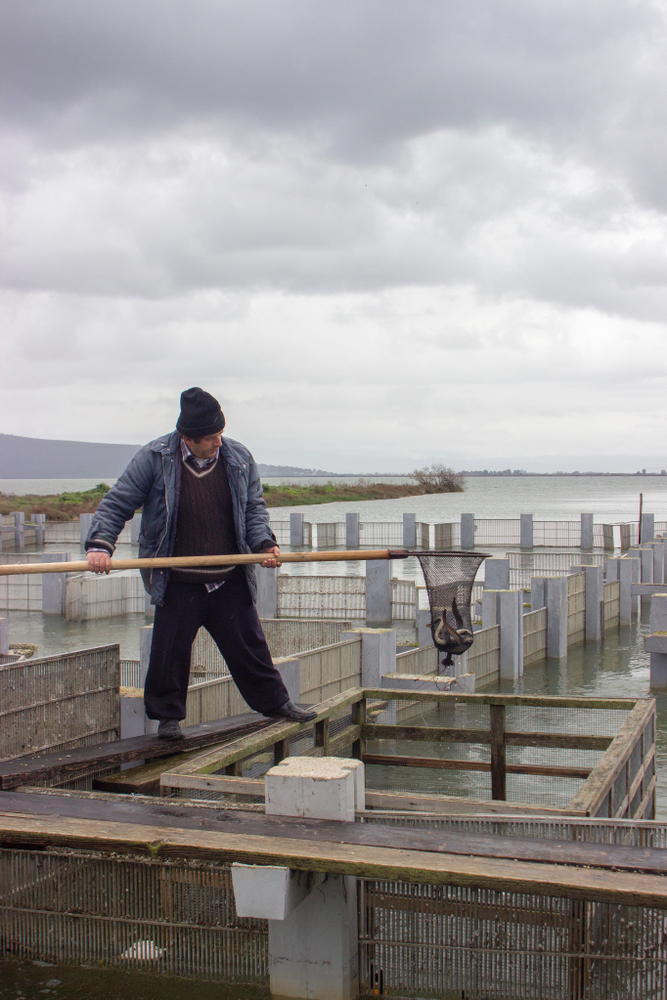
Amvrakikos gulf is one of the largest closed gulfs in Greece and is one of the national parks in Greece due to its ecological importance and the environmental pressures it receives. The entrance of the gulf is in the narrow…

Amvrakikos gulf is one of the largest closed gulfs in Greece and is one of the national parks in Greece due to its ecological importance and the environmental pressures it receives. The entrance of the gulf is in the narrow…
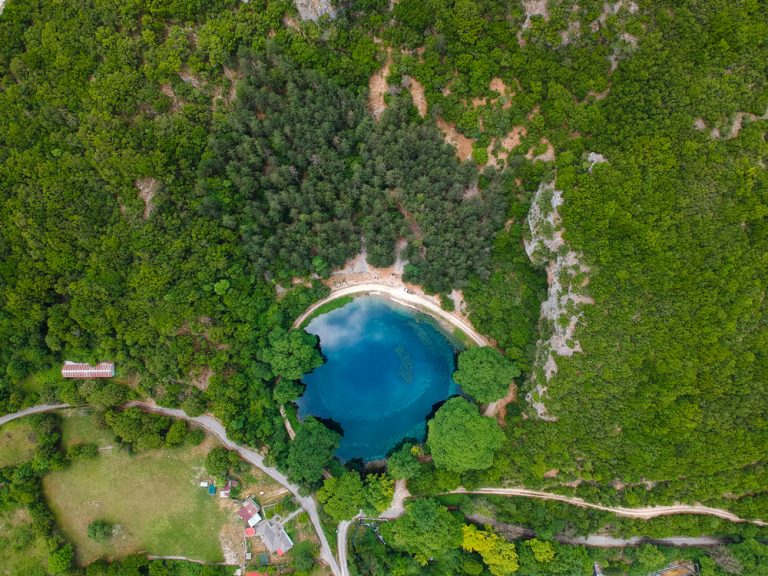
Lake Viros -as its official name- is located at the 30th km of the national road Ioannina-Arta and at an altitude of 296 meters. The lake communicates underground with the Louros that flows into the Amvrakikos. Biros is called the…
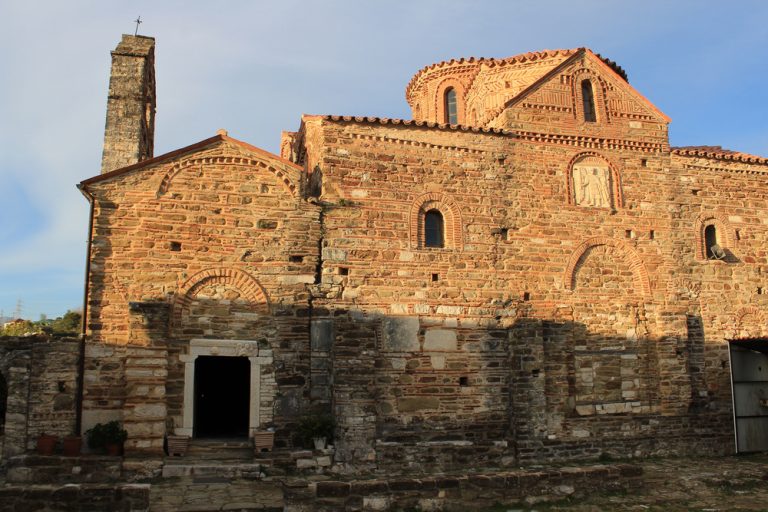
The Virgin of Vlacherna is an imposing Byzantine church of the 10th-13th century, with later interventions, in the village of Vlacherna outside Arta. Originally built as a monastery catholic in the type of a three-aisled basilica and decorated with frescoes,…
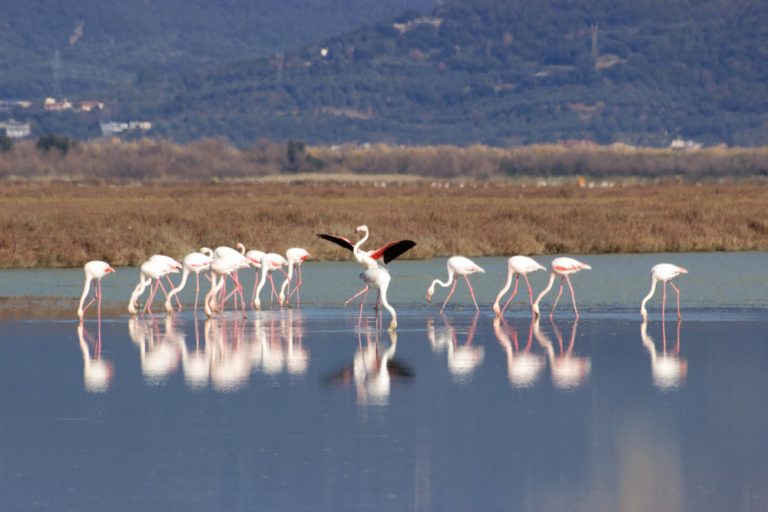
Amvrakikos gulf is one of the largest closed gulfs in Greece and is one of the national parks in Greece due to its ecological importance and the environmental pressures it receives. The entrance of the gulf is in the narrow…
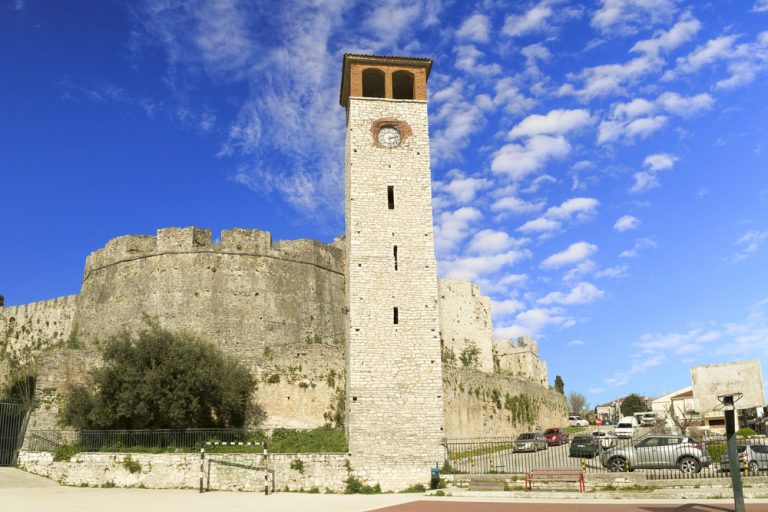
The Clock Tower (Arta Clock) is a monument of the Ottoman period in Arta and is one of the symbols of the city. Its construction is defined in the middle of the 17th century and is the oldest clock in…
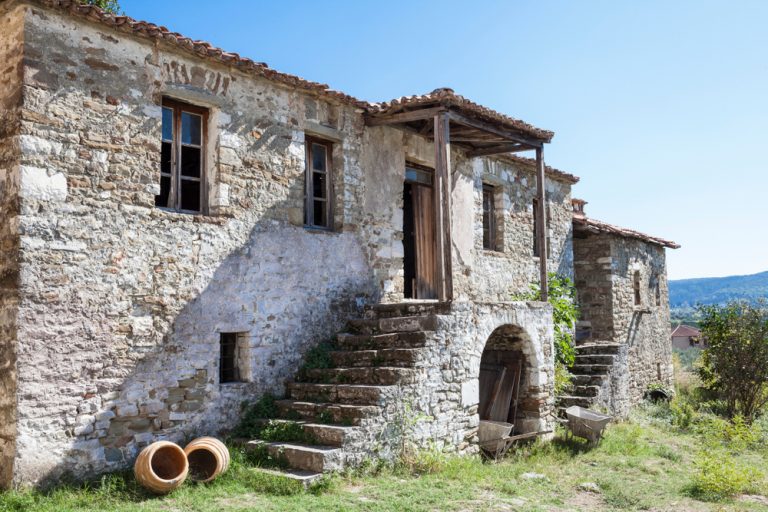
Arta is the capital of the prefecture of Arta and the municipality of Arta, as well as the second largest city of Epirus after Ioannina with a population of 26,961 inhabitants. At the entrance of the city is the famous…
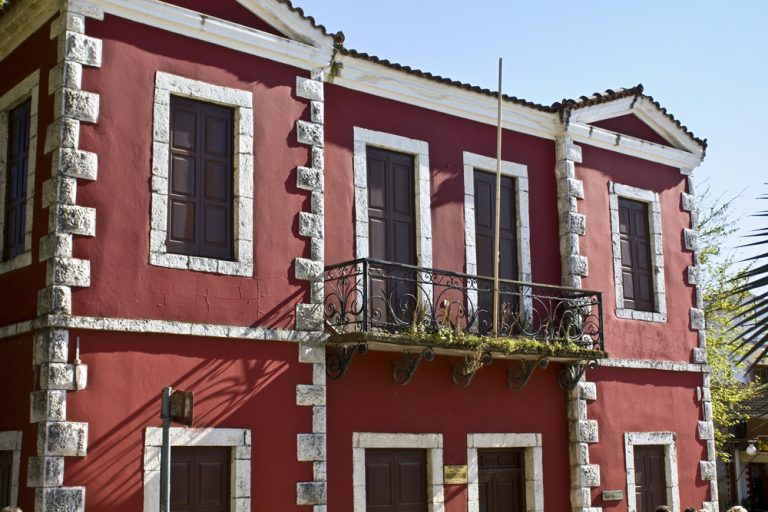
The folklore museum “Skoufas” presents the local folk tradition in its intellectual and economic-technical dimension. The building that houses the museum is a two-storey neoclassical building next to the Arta Bridge, built in 1864 by an Austrian architect, first used…
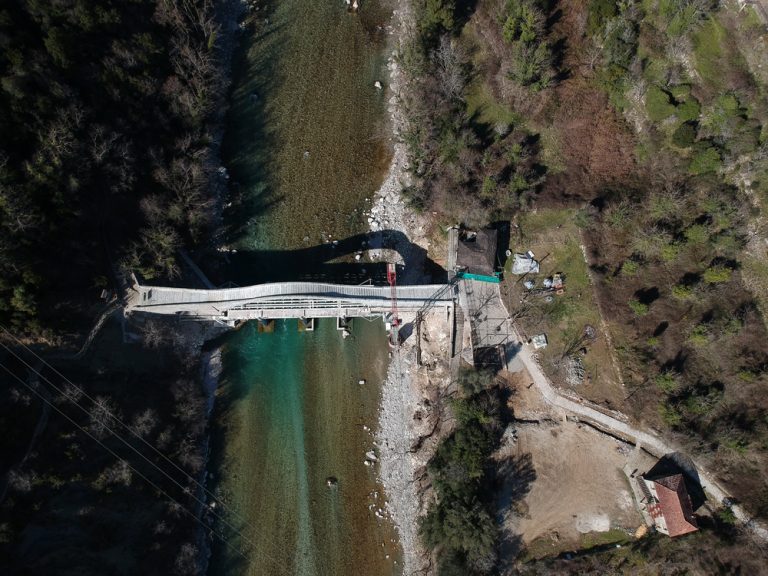
The bridge of Plaka, built in 1866 and rebuilt in 2019, is a stone arched bridge on the river Arachthos. It is located in the former Municipalities of Pramanta and Katsanochoria at a distance of 50 km from Ioannina and…

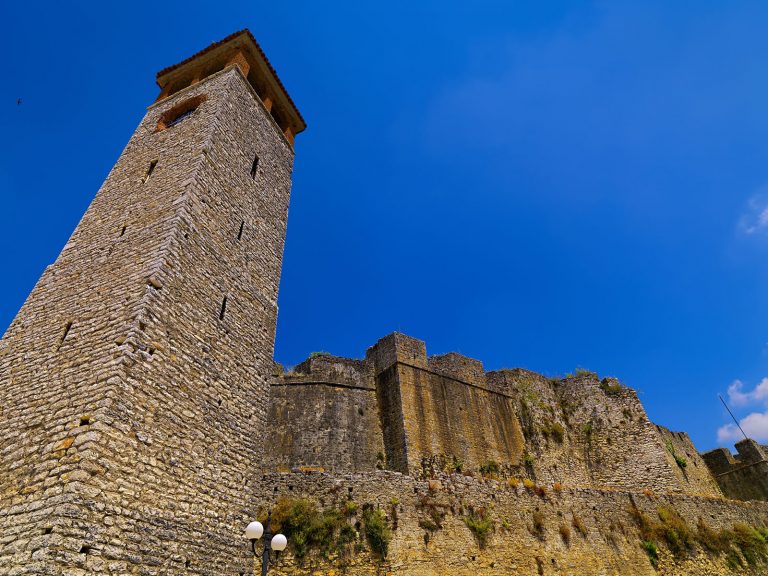
Το Κάστρο της Άρτας βρίσκεται στην πόλη της Άρτας στο βορειοανατολικό τμήμα της και χτίστηκε το 1230 μ.Χ τον Μιχαήλ Β, από τον Δεσπότη του Δεσποτάτου.


